Ohio
Akron RubberDucks Bet on Flexibility with New Ballpark Pass — What Local Fans Need to Know
By Terrence Okafor · July 3, 2026
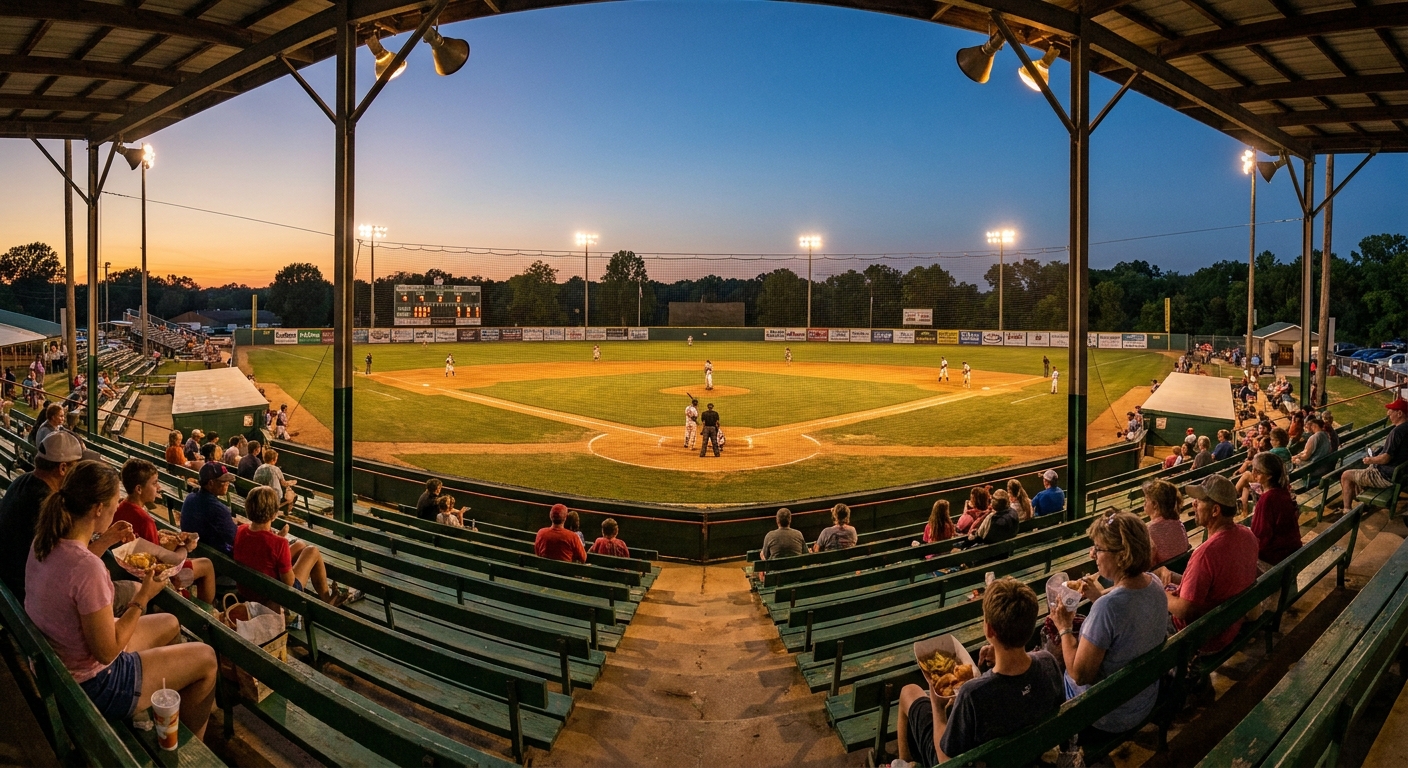
The Akron RubberDucks just stopped asking families to plan their summer in February. For $99 per person or $199 for a family of four, the team's new Ballpark Pass grants unlimited access to all 69 home games with a three-game rolling reservation window—book when you know you can go, not months before you know if you can afford it. It's a direct concession to how people actually live in a city where the median household income is $48,076 and nearly a quarter of residents are below the poverty line: paycheck to paycheck, with entertainment decisions made week to week, not season to season.
What they're not saying out loud: they averaged just 4,292 fans per game in 2025 in a ballpark built for 7,630—nearly half the seats empty on a typical night. Despite being one of the top attendance gainers in Minor League Baseball in 2025—up 395 fans per game compared to 2024—the team still faces the challenge of filling seats consistently. This isn't charity. It's a calculated bet that lowering the barrier to entry will fill more seats than the old model of asking for big upfront commitments. "Now you can bring your family out to 7 17 Credit Union Park all summer long for just $199. It's the best deal in town—one price, every game, all summer."
How It Works
Both passes provide General Admission access to all 69 regular-season home games starting April 2, 2026. The pass is entirely digital—tickets delivered via mobile entry only, no physical cards or paper tickets. Pass holders reserve up to three games at a time through a mobile-friendly website, then book additional games after attending.
General admission seating includes the Lower Deck (100 Level sections 101-110), Club Level (200 Level), Upper Deck (300 Level sections 301-310), and budget-friendly outfield sections 401-405. Pass holders can upgrade to reserved seating for any game by paying the price difference at the time of booking.
The per-game math is striking: the Individual Pass works out to approximately $1.43 per game if you attend all 69, while the Family Pass comes to about $0.72 per person per game. For comparison, 2026 single-game tickets range from $13 to $28 depending on the game and opponent, while 2025 tickets started as low as $5.
Who Benefits Most
The Individual Pass breaks even at just seven games at the cheapest single-game rate of $13, or four games at higher-priced matchups. The Family Pass pencils out to less than $50 per outing for four people if you attend just four games, compared to $52-$112 for four single-game tickets.
Students and young professionals with unpredictable work schedules benefit most—they can decide day-of whether to catch a game without eating the cost of unused tickets. Families juggling kids' activities, tight budgets, and last-minute schedule changes gain flexibility to attend when it works, not when they pre-committed months ago.
Fans who know they'll only attend two or three high-profile weekend games are still better off buying single tickets. Die-hard fans who want specific premium seats for every game should still consider traditional season tickets or mini-plans, since the Ballpark Pass only guarantees general admission.
A Broader Trend in Minor League Baseball
Other minor league teams including the Harrisburg Senators, Reading Railers, Kannapolis Fireflies, and Tulsa Drillers offer identical $99/$199 Ballpark Pass models for 2026. "We've created a flexible package for under $100 a year that allows fans to catch every big moment and highlight of our historic 10th anniversary season," said a team representative.
The trend reflects a broader industry shift: transforming ticket purchasing from a rigid high-cost commitment into a flexible low-cost subscription that rewards bulk purchases, offers lower per-game costs, and lets fans upgrade seats for specific games.
Why It Makes Sense in Akron
With a median household income below $50,000 and nearly a quarter of residents below the poverty line, asking families to commit hundreds of dollars upfront for season tickets is a tough sell. A $199 family pass fits the budget reality of a post-industrial college town where discretionary spending needs to stretch. The average cost for a Minor League Baseball family outing is as low as $64.97 including tickets, food, parking, and drinks, positioning minor league games as affordable entertainment compared to other options.
Akron has lost over one-third of its population between 1960 and 2020, shrinking to 189,423 residents in 2026, meaning the RubberDucks are competing for a smaller pool of potential ticket buyers. The three-game reservation window mirrors how many Akron families actually live—payday to payday, unable to plan summer entertainment months in advance. The ballpark itself was renamed from Canal Park to 7 17 Credit Union Park after the 2025 season through a six-year naming rights deal, part of the team's broader effort to secure revenue streams beyond ticket sales.
The Bottom Line
The Ballpark Pass isn't revolutionary—it's the same model multiple minor league teams rolled out for 2026—but it's smart adaptation to how working families in mid-market towns actually spend money. For fans who can commit to at least seven games, the $99 individual pass is legitimately the best entertainment value in Akron. Families who attend even five games as a group of four will save $60-$360 compared to buying single-game tickets. The three-game reservation limit is the only real catch, but for most casual fans it's a feature, not a bug—it prevents overcommitment and keeps you flexible.
The RubberDucks' 2026 season begins Thursday, April 2. Whether the Ballpark Pass succeeds in filling more of those 3,000-plus empty seats per game remains to be seen, but for budget-conscious Akron fans willing to attend a half-dozen games, it's hard to argue with the math.